
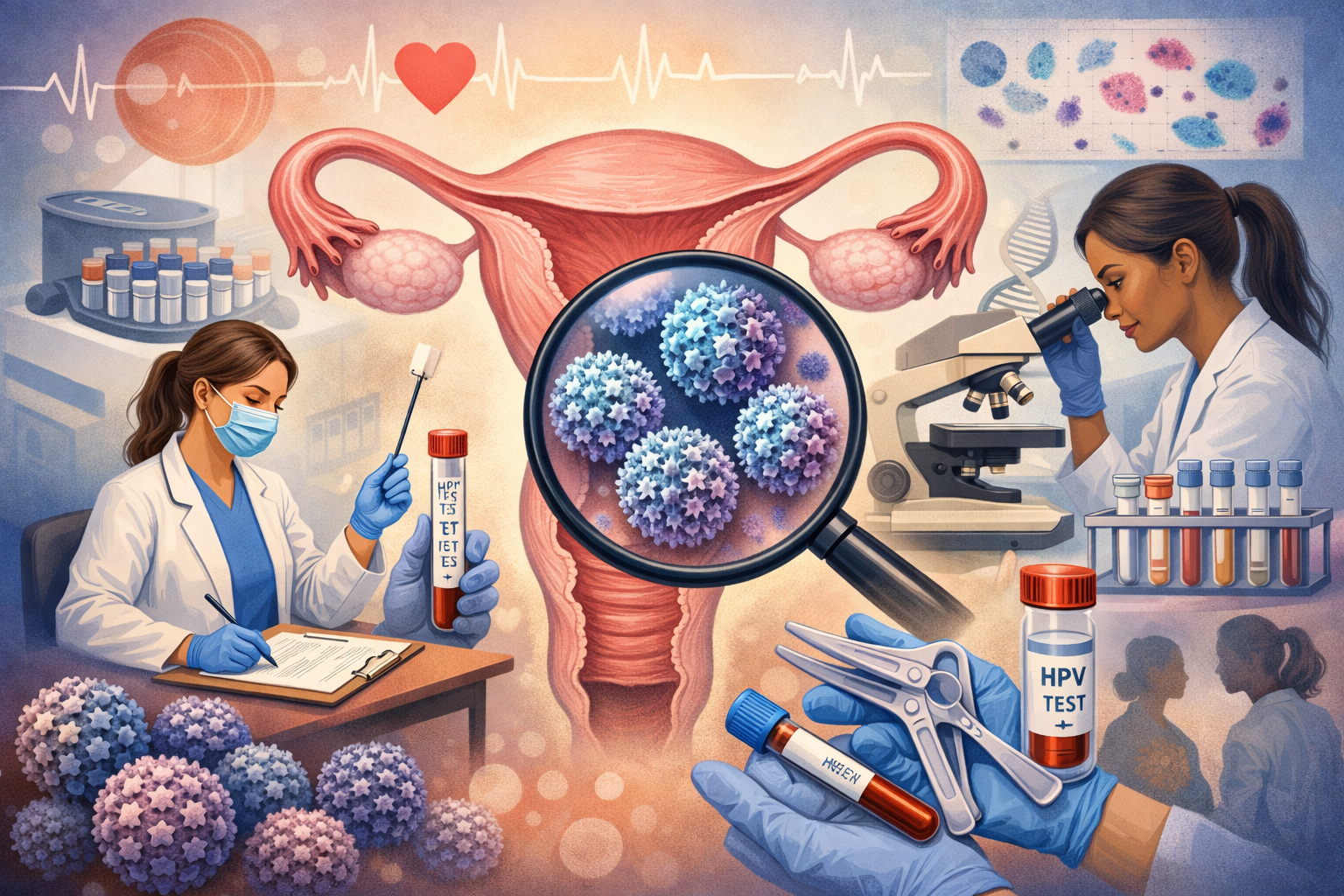
Cervical cancer is also referred to as a silent killer, not because it is not preventable, but rather due to the fact that this cancer does not present symptoms until it is in an advanced stage. Thousands of new cases of cervical cancer are reported every year when it is already in an advanced stage.
But this is the truth that many people still haven’t realized: cervical cancer is one of the most preventable forms of cancer globally.
Why?
This is because almost all cases of cervical cancer are due to the human papillomavirus (HPV), and current cervical cancer screenings for advanced cervical cancer with the help of HPV testing are able to identify the risk factors even before cancer arises.
This has already saved many lives, and it has the potential of saving millions.
This blog will discuss how the HPV test in cervical screening programs works and why early detection of it matters.
Let’s get started.
Understanding Cervical Cancer
Cervical cancer originates in the cervix, the lower part of the uterus cells. It develops very slowly over many years, frequently starting with some precancerous changes that might be treated easily if they are detected in time.
The risk is that cervical cancer in its early stage does not provoke pain or bleeding or obvious symptoms.
That is why screening is not optional; it’s necessary.
The Real Cause of Cervical Cancer, HPV
The human papillomavirus (HPV) is the most common viral infection worldwide. Most individuals, both men and women, are expected to acquire the virus at some stage of their lives.
However, some high-risk types of HPV persist and may subsequently cause such abnormal cell changes that can lead to cervical cancer when not detected.
This is why testing for HPV in women has become the cornerstone of modern prevention against cervical cancer.
What Is Cervical Cancer Screening?
The Purpose of Screening in Cervical cancer screening tests for the following:
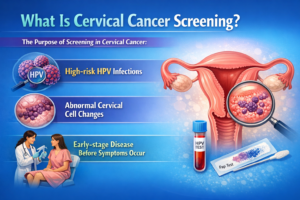
- High-risk HPV infections
- Abnormal Cervical Cell Changes
- Early-stage disease before symptoms occur
Early detection of the disease lowers survival rates significantly. Aggressive therapies are also prevented.
Conventional Screening: Pap Smear
For several decades, the Pap smear was the method of choice. This method looks at the cells of the cervix through a microscope.
Though Pap smears have made many saves, one thing that Pap smears are not capable of is
They recognize changes in cells after the change has occurred, not the viral cause for the change.
The Breakthrough: HPV Test for Cervical Cancer Screening
An HPV test for cervical cancer screening detects the presence of high-risk types of HPV directly in cervical cells. This form of early detection does not have to wait for cervical cells to develop abnormal changes, maybe into cancer, which, in fact, is the cause of cervical cancer.
This proactive approach has revolutionized women’s health.
How the Test Is Done
The procedure is as simple as
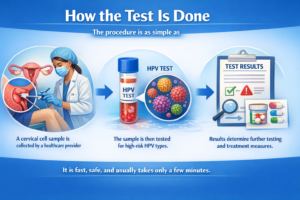
- A cervical cell sample is collected by a healthcare provider
- The sample is then tested for high-risk HPV types.
- Results determine further testing and treatment measures
- It is fast, safe, and usually takes only a few minutes.
Cervical Smear HPV Test: Combining Accuracy and Confidence
A combined cervical smear and HPV test has two potent components:
- Cytology
- HPV testing
It increases the accuracy of detection and also allows one to see the status of the cervix more clearly.
Why This Combined Strategy Works Better
The traditional method relies on:
- Finds early HPV infections
- Identifies Abnormal Cells if Present
- Reduces False-Negative Results
- Provides longer-term reassurance with negative findings
This will also make sure that fewer women slip through the cracks.
Why HPV Testing Is Truly Saving Lives
It helps in detecting risk before cancer develops.
HPV testing detects high-risk infections years before cancer develops. Doctors will then have ample time to monitor or treat the precancerous changes when they are still easily and very effectively treated.
Countries that have adopted the HPV-based screening have seen:
- Fewer cases of advanced cervical cancers
- Reduced mortalities
- Improved quality of life for patients
- Longer Screening Intervals, Greater Peace of Mind
Women who test negative for HPV have a very low risk of developing cervical cancer for several years. This allows for longer gaps between screenings, reducing anxiety and unnecessary procedures.
Testing for HPV in Women: Who Needs It and When?
Although cervical cancer screening guidelines may differ marginally across different countries, some general guidelines are as follows:
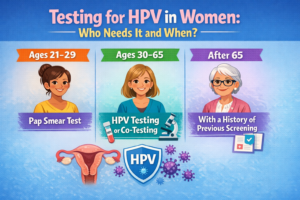
- Ages 21-29: Pap smear test
- Ages 30–65: Primary HPV testing or co-testing
- After 65: With a history of previous screening
Routine HPV testing in women remains important, even for women who feel completely healthy.
What About Vaccinated Women?
The vaccines protect against the most harmful forms but not against all strains. Even with the vaccine, screening is a must.
Breaking the Myths Around HPV Testing
HPV Means I Have Cancer
No. HPVs are quite common and will resolve on their own. HPV testing does not identify cancer. HPV testing only indicates risk.
I don’t have symptoms, so I’m fine.
Cervical cancer usually progresses silently. It is dangerous to wait for the manifestation of symptoms.
The Test Is Painful or Embarrassing
Testing for HPV is simple, routine, and painless. It’s only a small step that could save your life.
Technology, Awareness, and the Role of Innovation
New healthcare technologies and the best cancer care products from Uncoded, are now making it simpler for women to gain access to the best scanning and education available.
They play an important role in helping women gain the best possible outcomes concerning diagnosis.
Technology-powered awareness campaigns are a key component of making life-saving screenings available to the women who need them.
HPV Screening and Vaccination: Better Together
The HPV vaccine protects against infections, while screening can identify potential threats. Both together:
- Immunization protects against most HPV infection instances
- HPV Screening Identifies Cases of High-Risk HPV early
- These combined provide the most potent protection against cervical cancer
- This dual strategy is critical for long-term prevention.
Global Change That’s Impacting the health of women
The World Health Organization has recommended HPV testing instead of traditional screening for cervical cancer. Nations adopting this strategy are witnessing substantial drops in cases and deaths from cancer.
This is not just medical progress; it’s a public health revolution.
To Wrap Up
HPV tests have completely transformed cervical cancer screening from focusing on late-stage detection to early prevention and prevention strategies.
The use of HPV tests for cervical cancer screening, combined cervical smear HPV tests, and HPV tests for women has been gradually making cervical cancer preventable.
Awareness, screening, and innovation; thanks to the cancer care products like HPV-STI Genomap kit form Uncoded, they are saving countless lives daily.