

Glaucoma remains one of the most serious eye conditions, affecting millions of people worldwide, despite many not realizing that they have a condition until irreversible damage has already occurred.
Rather than immediate discomfort, which results in many eye problems, glaucoma is an insidious and quiet development; thus, it has earned its reputation as the silent thief of sight.
Understanding the early signs of glaucoma constitutes the basis for protecting long-term vision from a condition that can lead to irreversible blindness.
This blog gives you the details about what is glaucoma, what causes glaucoma in the eye, how to recognize the early symptoms of glaucoma, and why early detection plays a critical role in successful treatment and vision preservation.
Let’s get started.
Understanding What is Glaucoma?
Glaucoma refers to a collection of eye conditions that lead to damage of the optic nerve, which is the pathway that translates visual information from the eye to the brain. The optic nerve damage, most of which is associated with high pressures of the eye, known as intraocular pressure, causes damage to the optic nerve fibers.
A problem with glaucoma that bothers me the most about this condition is the loss of vision that cannot be reversed.
In simple words, if the optic nerve fails, the loss of vision will be permanent. There are several reasons that cause glaucoma; you must be aware of them.
What Causes Glaucoma in the Eye?
In order to understand the early symptoms, it is essential that one knows the cause of glaucoma in the eye.
The eye produces a fluid that is clear and called aqueous humor. This fluid drains through a sort of tissue drain. When this drain does not drain properly, some sort of backlog develops, which increases the eye pressure.
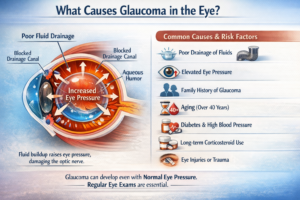
Common cause and risk factor
- Poor drainage of fluids in the eye
- Elevated intraocular pressure
- Family history of glaucoma
- Aging ( > 40 years)
- Diabetes and high blood pressure
- Long-term administration of corticosteroids
- Eyelid injuries or trauma
Some people may develop glaucoma in the presence of normal eye pressure, and thus eye examinations may be fundamental in these circumstances.
Why Early Detection of Glaucoma Is So Important
The biggest challenge with glaucoma is that it progresses silently. Most people experience no pain or obvious vision problems in the early stages.
By the time noticeable symptoms appear, significant optic nerve damage may have already occurred. Learning how to detect glaucoma early allows doctors to slow or stop disease progression.
Early treatment can preserve remaining vision and maintain quality of life. Also, the products offered by Uncoded help in the preventive care of glaucoma.
What Are the Signs of Glaucoma?
One of the most common questions is: What are the symptoms of glaucoma? The answer to this depends upon the type of glaucoma, although most of the initial symptoms are very subtle.
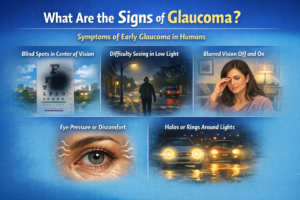
Symptoms of Early Glaucoma in Humans
- Blind spots in the center of vision due to damage
- Difficulty seeing in dim or low-light conditions
- Blurred vision that recurs intermittently
- Mild pressure or discomfort in the eyes
- Seeing Halos or Rings Around Lights
As these transitions occur slowly, many individuals attribute these occurrences to the aging process or even eye strain.
Early Symptoms of Glaucoma That are Often Ignored
The symptoms of glaucoma that appear early could be easily missed by people, especially since they do not affect everyday life. Early detection of these symptoms, though, helps with diagnosis.
Subtle symptoms include:
- Difficulty with stairs or curbs
- Collision with objects on one side
- Difficulty driving at night
- Frequent eye fatigue
- Mild headaches around the eyes
In the event that the patient experiences the above symptoms, a comprehensive eye test needs to be sought to avoid deterioration of the symptoms.
Types of Glaucoma and How Symptoms Differ
Recognizing the various types of glaucoma is key in understanding the varied symptomology that may be present.
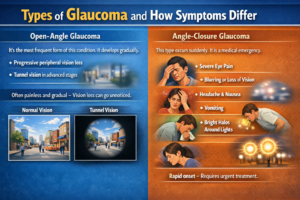
Open-Angle Glaucoma
It’s the most frequent form of this condition. It develops gradually.
Symptoms include:
- Progressive peripheral vision loss
- Tunnel vision in advanced stages
Because it is painless and develops very slowly, many people do not even know that they have it until their vision is severely impaired.
Angle-Closure Glaucoma
This type occurs suddenly. It is a medical emergency.
Symptoms may include:
- Severe eye pain
- Flashing light or loss of vision
- Headache & Nausea
- Vomiting
- Bright Halos Around Lights
Seeking immediate medical help is necessary because the vision can be lost suddenly.
How to Detect Glaucoma Before Vision Loss Occurs
Questions often arise as to how to recognize the presence of glaucoma when there are no signs. The only way to do this is through comprehensive eye exams.
Diagnostic Tests for the Detection of Glaucoma
- Eye pressure measurement (tonometry)
- Examination of the optic nerve
- Visual field testing for peripheral vision
- Retinal Imaging
- Corneal thickness measurement
These tests would enable the early detection of glaucoma, which would thus support the importance of having routine eye examinations.
Symptoms and Treatments of Glaucoma
Knowledge about glaucoma symptoms and treatment will enable a person to manage his or her eye condition.
Methods of Treatment
- Prescription eye drops for lowering eye pressure
- Oral drugs in certain cases
- Laser Procedures for Enhancement of Fluid Drainage
- Surgical procedures for the treatment of advanced glaucoma
Although glaucoma cannot be cured, it is possible to successfully halt its progress, thus preserving the remaining sight.
Who Is Most at Risk of Developing Glaucoma?
Some people face an increased risk and should therefore be extra cautious.
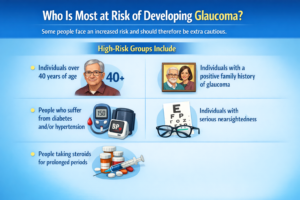
- High-Risk Groups Include
- Individuals over 40 years of age
- Individuals with a positive family history of glaucoma
- People who suffer from diabetes and/or hypertension
- Individuals with serious nearsightedness
- People taking steroids for prolonged periods
Uncoded provides the product that helps in the treatment of glaucoma and the significance of targeted awareness regarding high-risk groups for facilitating screenings on time.
Also Read : Glaucoma vs Cataract: Key Differences in Symptoms, Causes & Treatment
Can Lifestyle Choices Help Reduce Glaucoma Risk?
Glaucoma cannot always be prevented, but a healthy lifestyle can always help in promoting healthy eyes.
- Useful Preventive Measures
- Eye Examinations
- Maintaining healthy blood pressure
- Managing blood sugar
- Avoiding unnecessary use of steroid
- Protective eyewear use during activity performance
Taking proactive measures can result in easier detection and treatment.
Living With Glaucoma: Managing the Condition Long-Term
Glaucoma diagnosis does not automatically mean that blindness will ensue. With proper care, monitoring, and following medical guidance, one can often retain functional vision throughout their lifespan.
Education and accurate health information, like the kind that Uncoded advocates, also help to ensure that the patient understands his or her condition and adheres to proper eye health.
To Wrap Up
Glaucoma is a very serious eye condition that usually advances with no warning; thus, awareness and early detection become absolutely essential.
Recognizing the early signs of glaucoma, understanding the early symptoms of glaucoma, and knowing what causes glaucoma in the eye will go a long way in preventing irreversible loss of vision. Regular eye exams remain the most effective method of early detection and timely treatment of glaucoma.
Thus, being enlightened, proactive, and observing even slight changes in vision may help to preserve vision and ensure a better quality of life for many years.