
In the fast-growing, technologically advanced world of today, brain tumours are becoming an increasing concern. Even though not all tumours can be avoided, advances in science and medicine, particularly in the field of genetics, provide effective means of identifying risk early and taking preventative action.
At Uncoded, we think that people may stay ahead of possible risks like brain cancers by combining genomic knowledge with practical health solutions.
This blog highlights how genomic diagnostics and NGS (Next-Generation Sequencing) are transforming brain tumour prevention while outlining seven research-backed strategies for reducing the incidence of brain tumours, ranging from lifestyle modifications to genetic knowledge.
So, continue reading to know more about it:
Understanding brain tumours: formation & risk factors
Formation of tumours
Brain cancers arise when DNA mutations or epigenetic modifications that impact tumour suppressor genes or oncogenes cause cells in the brain to grow out of control. These mutations could be inherited or happen at random. The effects of brain cancer can range from neurological deficits to cognitive decline and seizures, depending on the location and aggressiveness of the tumour.
Genetic vs. Environmental Triggers
The following are some of the most researched risk factors for brain tumours:
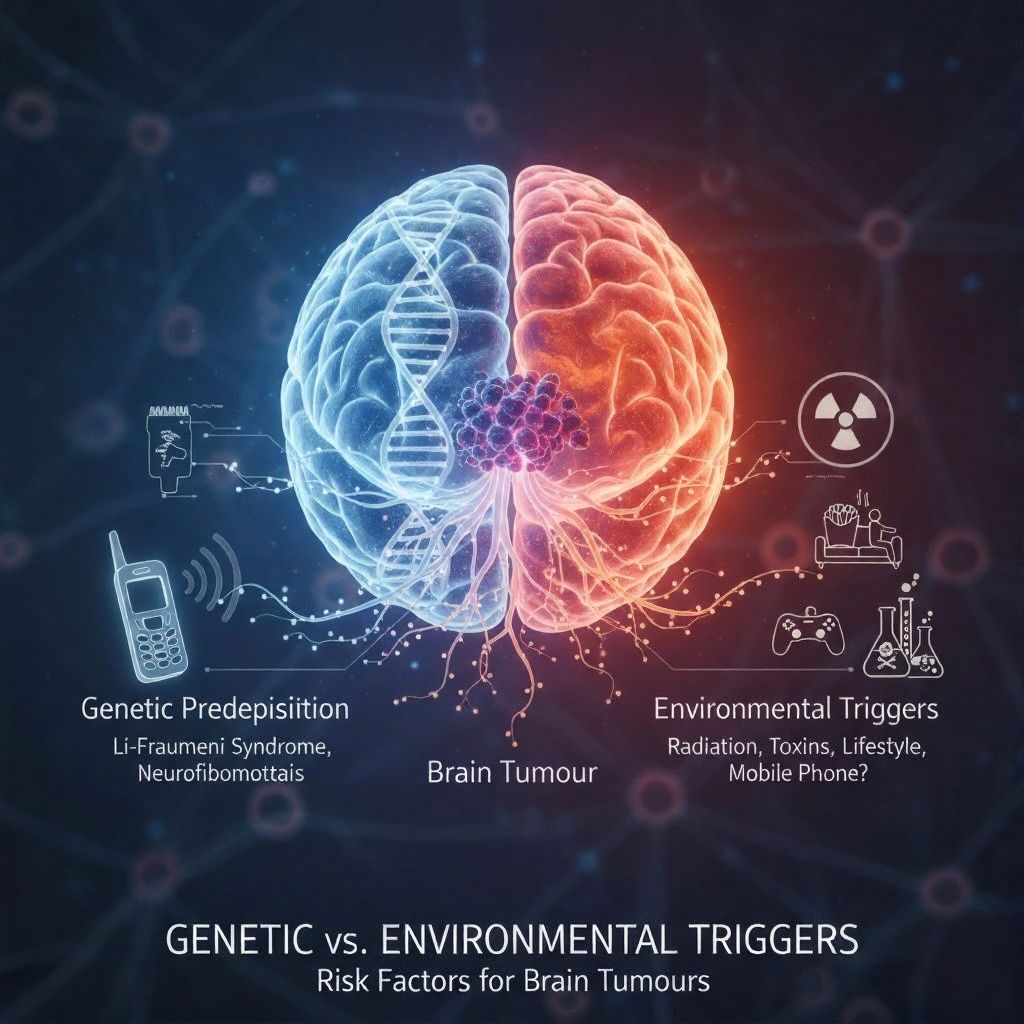
- Exposure to radiation, particularly ionizing radiation from cancer treatments or CT scans
- Genetic predisposition, including hereditary disorders like Li-Fraumeni syndrome or neurofibromatosis
- Sedentary behaviour, bad diet, and obesity
- Exposure to toxic chemicals (industrial solvents, insecticides)
- Long-term use of a mobile phone can produce electromagnetic fields, though the evidence is still developing.
Being aware of how brain tumours develop enables us to make wise decisions and take early preventative action.
Precautions to reduce brain tumour risk
When considering precautions for brain tumour, taking proactive steps is key to minimizing risk.
Avoid radiation exposure
One of the few known modifiable risk factors for brain cancers is exposure to ionizing radiation. Although they are essential tools in contemporary medicine, CT scans and therapeutic radiation should be used sparingly.
Take precautions:
- Steer clear of pointless scans and always make sure there are low-dose alternatives available.
- Due to the vulnerability of their developing brains, children and teenagers should exercise additional caution.
Maintain a Healthy Lifestyle
A balanced lifestyle lowers the risk of tumours and has a major impact on general brain health.
Nutrition & Diet
- Berries, cruciferous vegetables, and leafy greens
- Omega-3 fatty acids (found in flaxseeds and fatty fish, for example)
- Nuts, legumes, and whole grains
Exercise
- Do 150 minutes of moderate aerobic activity every week.
- Frequent exercise lowers inflammation and helps control hormones.
- Physically active people had decreased rates of meningioma, according to studies.
Say no to alcohol & tobacco
In addition to being proven carcinogens, alcohol and tobacco also cause oxidative stress and inflammation.
For the prevention of brain tumours and overall health, their removal is essential.
Dietary Pitfalls to Avoid
Foods to avoid in the Context of Brain Tumours
- Red and processed meats frequently include nitrosamines and other carcinogens.
- Rich in artificial additives, hydrogenated fats, and sugar
- Undercooked meats and hard cheeses are particularly hazardous during treatment phases because they increase the risk of infection in vulnerable people.
Minimize Electromagnetic & Chemical Exposures
EMFs, or electromagnetic fields
Despite the lack of solid studies, it is prudent to limit needless exposure:
- For extended calls, use speakerphone or hands-free alternatives.
- When not in use, keep mobile devices away from the head.
Exposure to Chemicals
Certain industrial solvents, pesticides, and herbicides have been connected to an increased incidence of brain tumours in work environments.
Take precautions:
- When working with chemicals, wear safety gear.
- Whenever possible, choose organic produce.
- Avoid using chemical disinfectants and sprays indoors.
Genetic Awareness & Medical Check-Ups
An important factor in brain tumour risk is genetics. Some people may have hereditary mutations in the TP53, NF1, or TSC1 genes, which are linked to brain tumours.
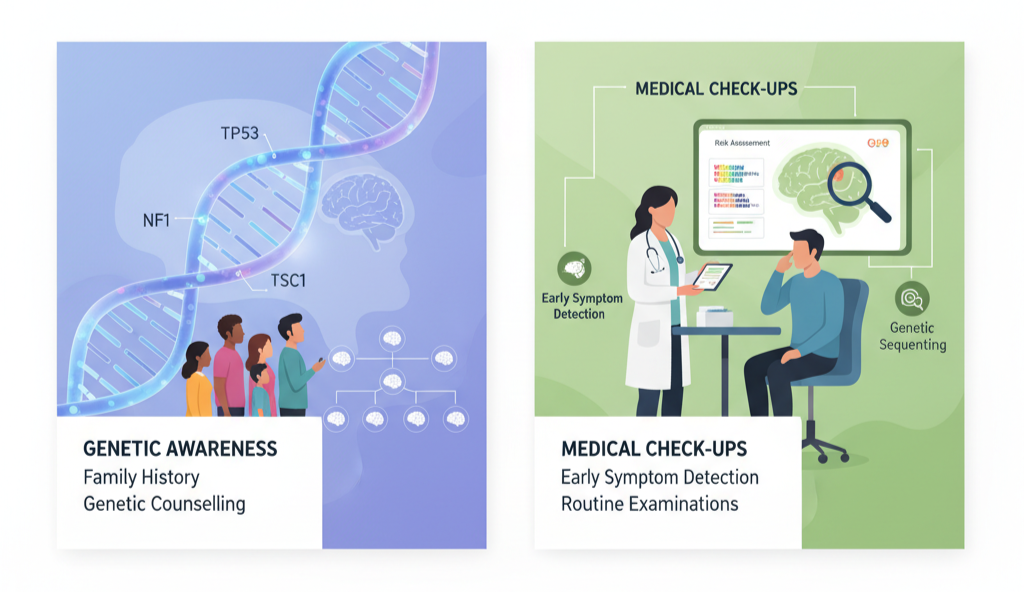
What can you do?
- Think about genetic counselling if there is a family history of brain tumours or associated cancers.
- Early symptom detection (such as persistent headaches, eye problems, personality changes, or seizures) and routine medical examinations are crucial.
- Utilize diagnostic instruments that make use of genetic sequencing to accurately profile risks.
Being aware of your DNA variations can play a key role in reducing your risk of brain tumours.
Mental & Cognitive Fitness
Mental agility is as important as physical fitness. Long-term brain function can be supported, stress can be decreased, and neurochemical equilibrium can be achieved with a resilient mind.
Try This:
- Engage in yoga or meditation.
- Take part in mentally engaging pursuits such as reading, solving puzzles, or picking up new abilities.
- Keep up solid social ties for emotional support and cognitive health.
Integration with Uncoded’s Capabilities
Our advancements in molecular diagnostics and Next-Generation Sequencing (NGS) enable early detection and improved decision-making.
Also Read: What are the Different Stages of Cervical Cancer & Its Prevention?
How can we help?
Risk profiling & genomic screening
It is possible to modify Uncoded’s diagnostic panels, such as the Myeloid Profiler, to find variations connected to brain tumours.
Educational outreach
To inform physicians and individuals, we often hold workshops, webinars, and awareness campaigns.
Research & innovation
To create accessible and reasonably priced NGS-based instruments for early tumour detection, we fund and encourage research challenges.
Our goal is to increase the impact and accessibility of state-of-the-art genetic tools for proactive health decision-making.
Conclusion
While there is no way to totally avoid brain cancer, you can greatly lower your risk by combining genomic insights, adopting healthier lifestyle choices, and reducing your exposure to environmental factors. An effective first step in prevention is being aware of your own genetic risk, and early detection is still crucial.
At Uncoded, we’re dedicated to using cutting-edge technologies to advance this kind of precision healthcare. By allowing researchers to examine how gut microbiomes may impact the onset or response to therapy of specific cancers, our 16S V3–V4 rRNA Library Preparation Kit.
With the use of this kit, scientists can unravel intricate microbial communities that might be secretly involved in the biology of brain tumours, leading to new possibilities for diagnosis, care, and treatment.